

Exploring Ecotourism in Kerala: Your Ultimate Guide to Sustainable Travel.
Kerala, often hailed as “God’s Own Country,” is a land where the vibrant green of the Western Ghats meets the tranquil blue of the Arabian Sea. While mainstream tourism has its charms, the real soul of this coastal state lies in its commitment to conservation and community-led travel. If you are looking for a journey that leaves only footprints and takes only memories, ecotourism in kerala offers an unparalleled experience.
From the mist-covered peaks of Wayanad to the silent, sun-dappled canals of Kumarakom, Kerala has pioneered a model of travel that prioritizes the environment. In this guide, we dive deep into why ecotourism in kerala is the gold standard for responsible travelers worldwide
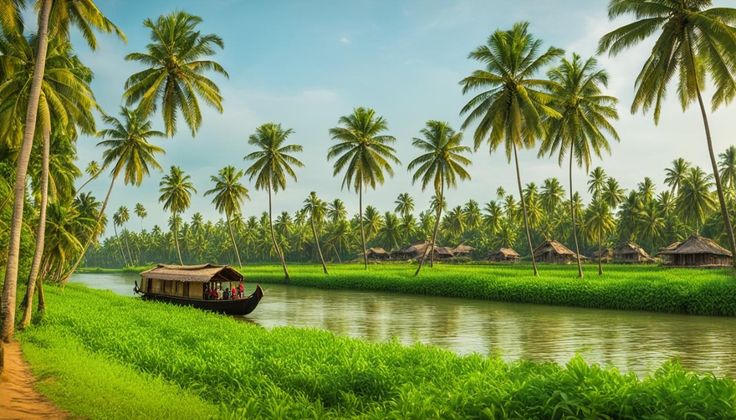
What Makes Ecotourism in Kerala Unique?
At its core, ecotourism in kerala is about more than just visiting a forest; it is a holistic approach to preserving biodiversity while empowering local tribes and villagers. The state was the first in India to implement planned eco-tourism initiatives, starting with Thenmala.
Unlike conventional mass tourism, these programs are often managed by the Forest Department or local “Vana Samrakshana Samithis” (Forest Protection Groups). This ensures that the revenue generated goes directly back into protecting the habitat and supporting the livelihoods of those who live within it.
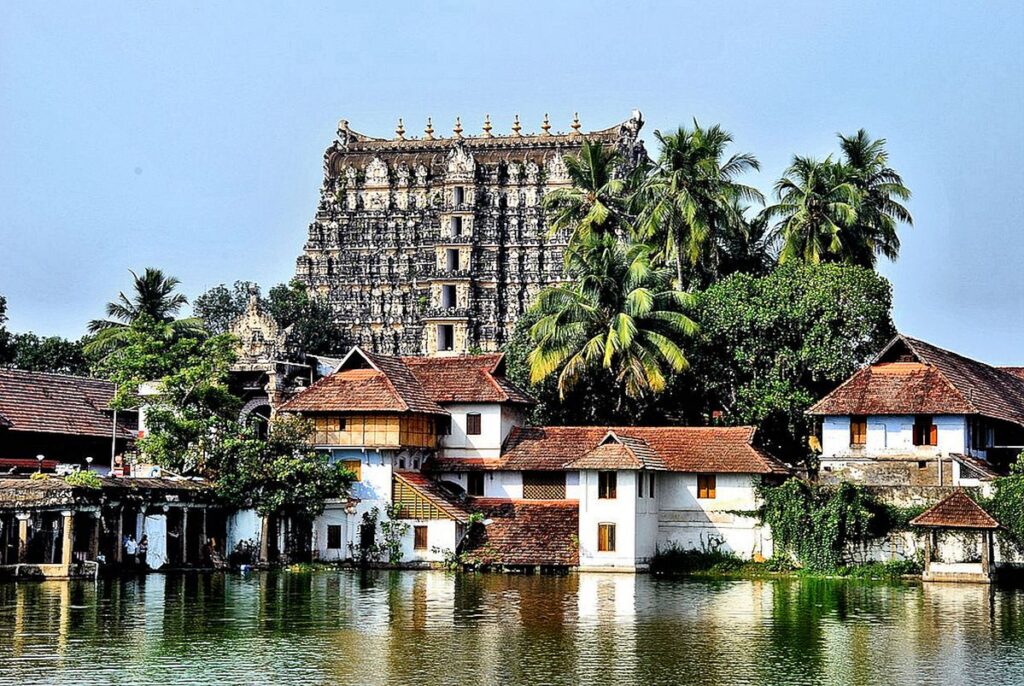
Top Destinations for Ecotourism in Kerala
To truly experience the diversity of the landscape, you must explore the distinct "hubs" that make up the state’s green map. 1. Thenmala: India’s First Planned Eco-Destination
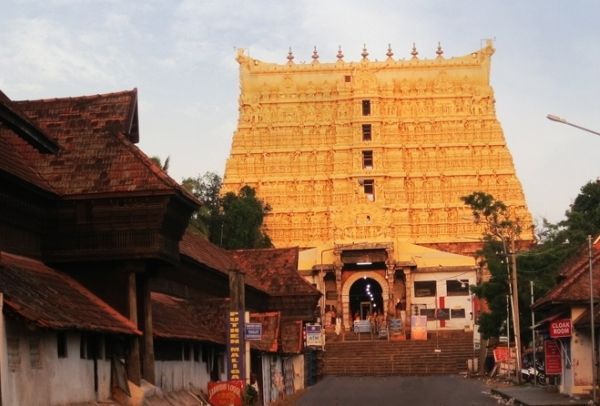
2. Periyar Tiger Reserve: The Heart of the Wild
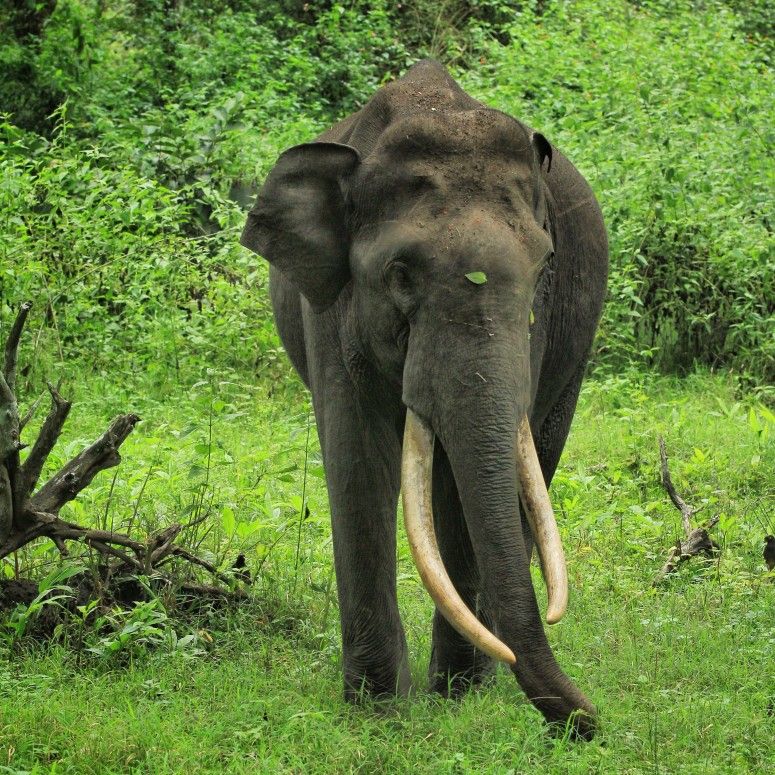
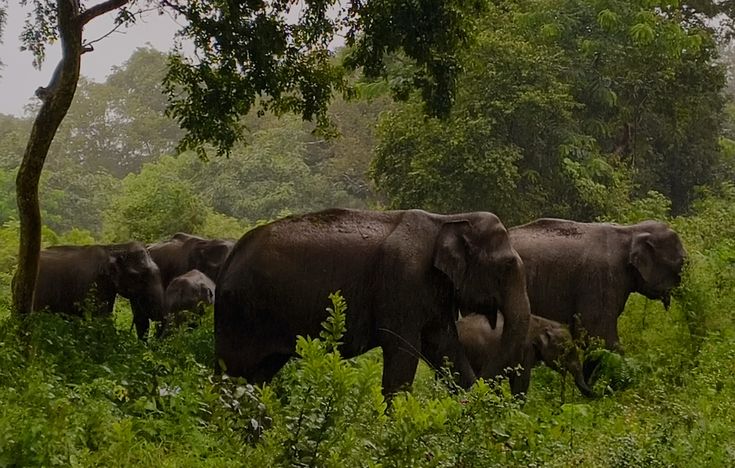
For many, the defining image of ecotourism in kerala is a herd of wild elephants by the banks of Periyar Lake. Here, you can participate in “Tiger Trails”—overnight treks led by former poachers who are now protectors of the forest. This transition from exploitation to conservation is a testament to the success of local initiatives.
3. Wayanad: The Highland Sanctuary
Wayanad is a haven for those who seek solitude. With its bamboo forests and ancient caves, it offers a window into the lives of indigenous tribes. Sustainable stays here often include farm-to-table dining and nature walks that educate visitors on the medicinal plants of the Western Ghats.
Key Activities for the Eco-Conscious Traveler
When you choose ecotourism in kerala, your itinerary shifts from passive sightseeing to active participation.
-
Bamboo Rafting: Instead of loud motorboats, glide through the water on hand-crafted bamboo rafts in Periyar or Wayanad. This silent mode of transport allows you to spot wildlife without disturbing their natural behavior.
-
Village Life Experiences: In places like Kumbalangi, India’s first model tourism village, you can learn traditional fishing techniques and coir making. This form of ecotourism in kerala ensures that cultural heritage is preserved and shared.
-
Birdwatching in Silent Valley: For serious naturalists, the Silent Valley National Park offers a glimpse into a pristine ecosystem that has remained untouched for millions of years.
The Economic and Social Impact
The beauty of ecotourism in kerala lies in its “Human Touch.” By staying in eco-friendly homestays instead of large luxury chains, you directly contribute to the local economy. Many projects employ local guides who possess an ancestral understanding of the forest—knowledge that no textbook can replicate.
Furthermore, the “Responsible Tourism” mission in Kerala has successfully motivated thousands of local farmers to provide organic produce to hotels, creating a circular economy that benefits everyone involved.
How to Practice Responsible Travel in Kerala
To ensure that ecotourism in kerala remains sustainable for generations to come, travelers must follow a few simple guidelines:
Respect the “No Plastic” Zones: Most sanctuaries and eco-villages are strictly plastic-free. Always carry a reusable water bottle.
Choose Certified Eco-Stays: Look for accommodations that use solar energy, rainwater harvesting, and waste management systems.
Stay on the Path: During treks, always follow your guide and stick to designated trails to avoid trampling sensitive flora.
Support Local Artisans: Instead of mass-produced souvenirs, buy authentic handicrafts made by tribal communities.