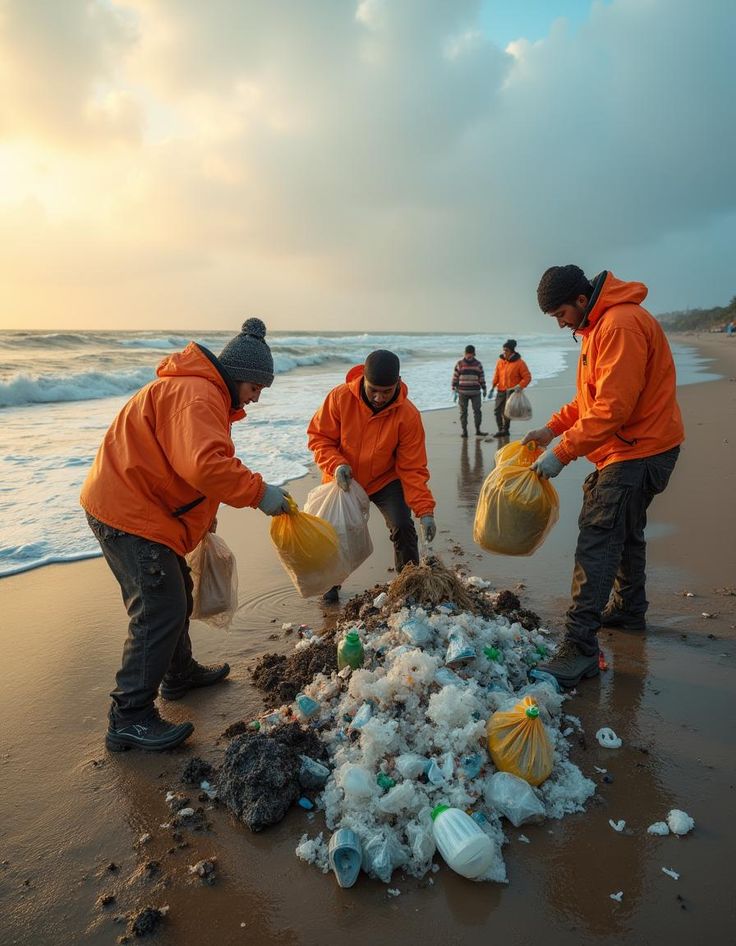

ecotourism in india runs on "Take nothing but pictures, leave nothing but footprints."
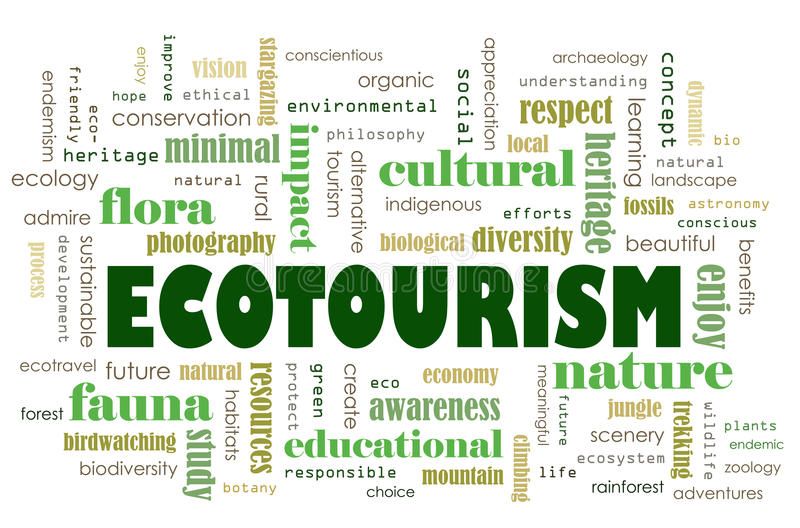
Ecotourism in India is a form of sustainable travel that focuses on experiencing the country’s vast natural beauty while actively contributing to its preservation and the well-being of local communities. Unlike traditional tourism, which can sometimes lead to environmental degradation, ecotourism
The Core Principles of Ecotourism in India
1.Conservation: Supporting the protection of flora, fauna, and ecosystem
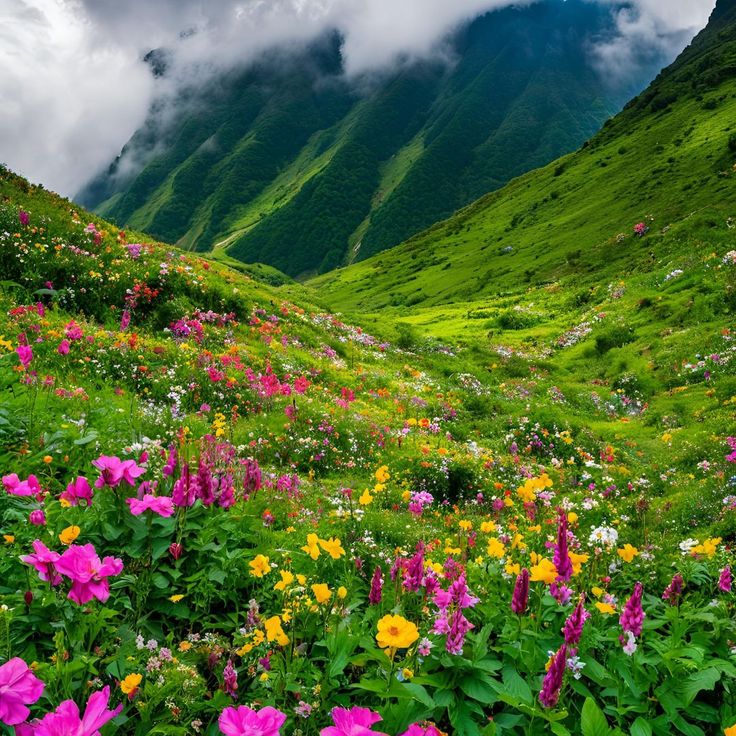
Flora (Plant Life)
India has more than 45,000 species of plants, including many that are found nowhere else in the world. Dense forests grow in regions like the Western Ghats and the Sundarbans, while thorny plants and shrubs are common in the Thar Desert. Important trees include teak, sal, bamboo, and sandalwood. India is also known for its rich variety of medicinal plants.
Fauna (Animal Life)
India is home to over 90,000 animal species. It shelters iconic wildlife such as the Bengal tiger, Asian elephant, Indian rhinoceros, and Indian peafowl (the national bird). The forests, grasslands, rivers, and wetlands provide habitats for countless birds, reptiles, amphibians, and marine animals.

2.Sustainability: Minimizing the carbon footprint of travelers (using local transport, reducing plastic).
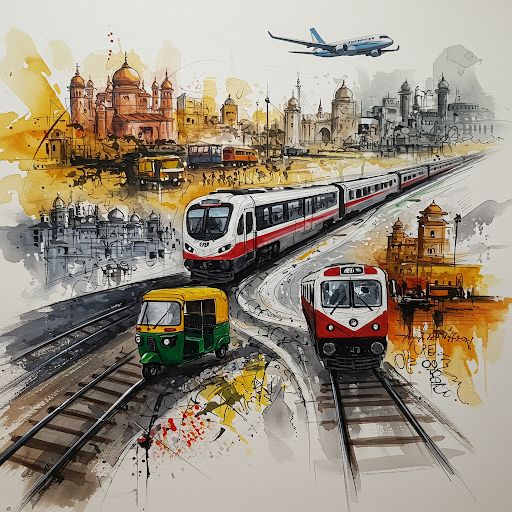
Local transport refers to the public or shared transportation systems used for traveling short distances within a city or town. It includes buses, auto-rickshaws, taxis, metro trains, trams, and local trains. Local transport plays a very important role in the daily lives of people by helping them reach workplaces, schools, markets, and other destinations conveniently.
Advantages of Using Local Transport
-
Cost-effective – It is much cheaper than using private vehicles every day.
-
Reduces traffic congestion – More people using public transport means fewer private vehicles on the road.
-
Environment-friendly – It helps lower air pollution and fuel consumption.
-
Saves energy – Shared transport uses less fuel per person compared to individual cars or bikes.
-
Accessible for all – Provides mobility to people who cannot afford private vehicles.
-
Less parking problems – Fewer private vehicles mean reduced need for parking space.
-
Safer overall – Public transport systems are generally safer and more regulated.
Local transport is essential for building smart, sustainable, and well-connected cities.
3.Community Empowerment: Ensuring that the money spent by tourists goes directly to local guides, artisans, and homestays.

Community empowerment through ecotourism means involving local people in tourism activities that protect nature and improve their livelihoods. In India, ecotourism encourages travelers to visit natural areas like forests, wildlife reserves, mountains, and villages in a responsible way, while ensuring that local communities benefit directly.
In many parts of India, villagers work as guides, run homestays, sell handicrafts, and provide cultural experiences to tourists. This creates employment opportunities and reduces migration to cities. Local people also become more aware of the importance of protecting forests, wildlife, and natural resources because their income depends on conservation.
Ecotourism in India helps:
Generate income for rural and tribal communities
Preserve local culture and traditions
Promote environmental conservation
Encourage sustainable development
By giving communities control and benefits from tourism, ecotourism becomes a powerful tool for both nature protection and social development.
4.Education: Creating awareness among travelers about the fragile nature of our environment.
Ecotourism in India is not just about visiting beautiful forests, mountains, or wildlife sanctuaries — it is about traveling responsibly. One of the most important factors that makes ecotourism successful is educating tourists about how their actions affect nature and local communities.
India is home to rich biodiversity areas like the Western Ghats, the Himalayas, and the Sundarbans. These regions are environmentally sensitive, and even small careless actions — like littering, making loud noise, or disturbing wildlife — can harm ecosystems.
Why Tourist Education Matters
When tourists are properly informed, they are more likely to:
Respect wildlife and maintain safe distances
Avoid using plastic and reduce waste
Follow local rules and conservation guidelines
Respect local culture, traditions, and livelihoods
Support local businesses instead of harmful commercial activities
This awareness helps protect natural habitats and ensures tourism benefits local communities instead of damaging their environment.
How Tourists Can Be Educated
Education can be provided through:
Nature guides and trained local eco-guides
Information boards in parks and sanctuaries
Awareness campaigns by tour operators
Workshops and cultural interaction programs in villages
Responsible travel guidelines shared online and offline
When tourists understand the value of conservation, they become partners in protecting nature, not just visitors.
Conclusion
Education turns ordinary travel into responsible ecotourism. In a country as diverse as India, informed tourists can help preserve fragile ecosystems, support local communities, and ensure that natural beauty remains for future generations. Responsible travelers make a real difference — one trip at a time.