
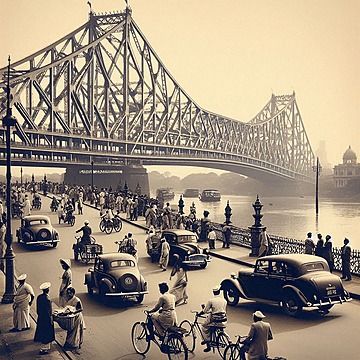
Why Tourism in Kolkata is Unique?
Kolkata, often called the “City of Joy,” is a destination that perfectly balances its colonial past with a vibrant, modern soul. For anyone exploring the tourism of Kolkata, the city offers a rich tapestry of culture, food, and architecture. From the majestic white marble of the Victoria Memorial to the bustling lanes of North Kolkata, tourism of Kolkata is an experience that stays with you forever.
In this comprehensive guide, we will explore the famous landmarks and hidden gems that define the tourism of Kolkata.
Victoria Memorial Hall
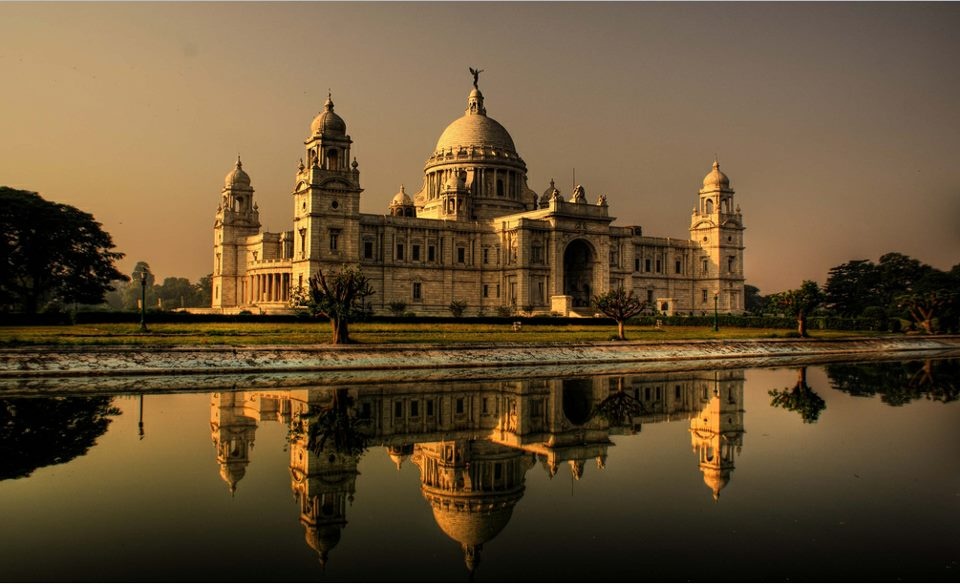
The crown jewel of tourism of Kolkata, this magnificent marble building was built to honor Queen Victoria. It is a fusion of British and Mughal architecture and houses a vast museum. The surrounding gardens are a favorite for locals and visitors alike who want to soak in the tourism of Kolkata vibe.
After Queen Victoria’s passing in 1901, Lord Curzon, the then Viceroy of India, envisioned a majestic monument that would honor her legacy and symbolize the British era in India. What began as an idea soon became a reality. The foundation stone was laid in 1906, and after years of meticulous work, the memorial was completed in 1921.
Unlike many other colonial monuments, Victoria Memorial was intended not as a palace, but as a grand hall and museum — a space where history could be preserved, studied, and admired.
Today, Victoria Memorial serves as much more than a monument. Inside its grand halls, art galleries and exhibits display paintings, sculptures, manuscripts, and historic memorabilia spanning the era of British India. Visitors can explore artifacts that reflect a wide spectrum of political, cultural, and social narratives from the colonial period.
These collections make the memorial a rich educational resource as well as a visual delight for tourists and history enthusiasts alike.
Howrah Bridge (Rabindra Setu)
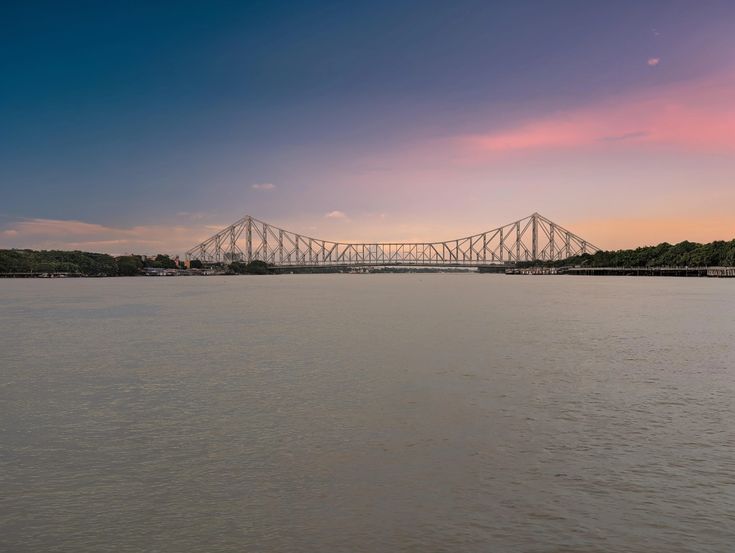
An engineering marvel, the Howrah Bridge is a central icon of tourism of Kolkata. It is one of the busiest cantilever bridges in the world and was built without a single nut or bolt—only rivets hold it together. Witnessing the sunrise over the Hooghly River from here is a must for tourism of Kolkata.
Long before the present structure existed, a pontoon bridge served as the link between Howrah and Kolkata from the 1870s. However, as traffic, commerce, and the population grew, the need for a more permanent and robust bridge became clear. After decades of planning and debate, construction of the modern steel bridge began in 1936.
Completed in 1943, the Howrah Bridge was originally called the New Howrah Bridge, replacing the old pontoon design. Unlike many bridges, it was built without any nuts or bolts—a remarkable feat of engineering for its time.
The bridge is a balanced cantilever and truss design, with a total length of around 705 meters (about 2,300 feet). It was one of the longest cantilever bridges in the world at the time of its completion and remains one of the largest today.
On 14 June 1965, the bridge was officially renamed Rabindra Setu in honor of the legendary poet Rabindranath Tagore—the first Indian to win the Nobel Prize in Literature. Despite this official name, locals and visitors alike still commonly refer to it simply as Howrah Bridge.
Dakshineswar Kali Temple and Belur Math
Spirituality is a major pillar of tourism of Kolkata. The Dakshineswar temple, with its nine spires, and Belur Math, which represents a universal faith, are located on opposite banks of the river. A boat ride between these two sites is a quintessential part of the tourism of Kolkata experience.
Dakshineswar Kali Temple – The Divine Jewel on the Banks of the Hooghly
The Dakshineswar Kali Temple is one of India’s most revered spiritual sites, attracting millions of devotees and tourists every year. Nestled on the eastern bank of the Hooghly River in Dakshineswar, near Kolkata in West Bengal, this temple is a beautiful blend of faith, history, and architectural grace.
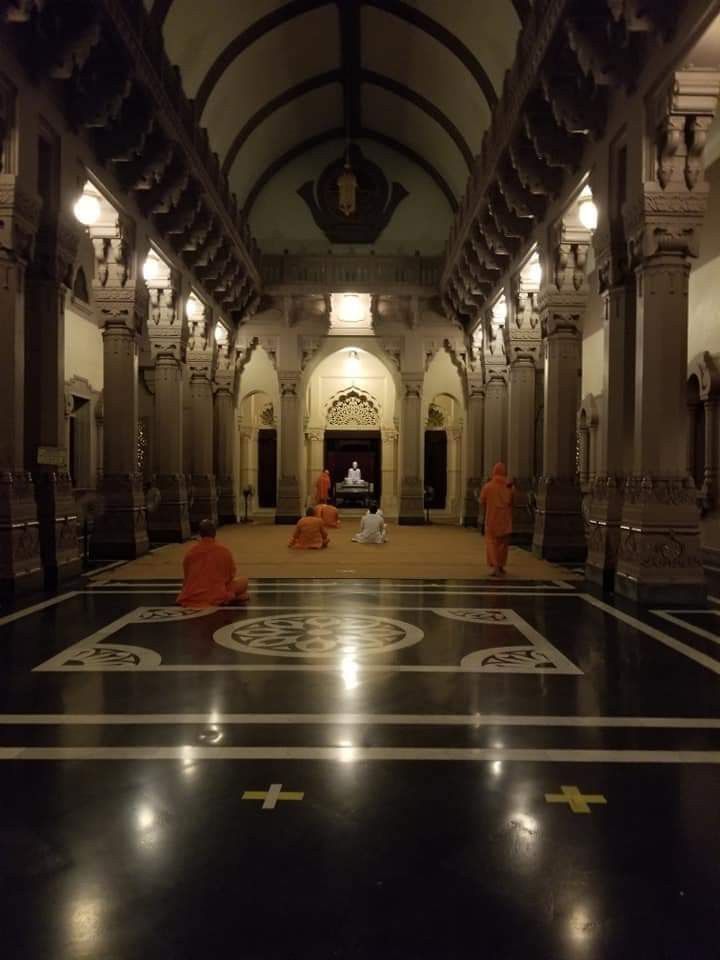
The temple was founded by Rani Rashmoni, a philanthropist and devout follower of Goddess Kali. Legend has it that before setting out on a pilgrimage to Varanasi, Rani Rashmoni had a vivid dream in which Goddess Kali appeared and instructed her to build a temple in Her honor at the riverbank. Inspired by this divine vision, Rani acquired land in Dakshineswar and began the construction in 1847. After years of dedicated effort, the temple was completed and formally opened on 31 May 1855.
The temple is dedicated to Goddess Bhavatarini, a compassionate form of Goddess Kali who is believed to be the redeemer of the universe. Devotees come from all walks of life to seek blessings and spiritual solace at this sacred shrine. The belief that fulfilling darshan here brings peace and the granting of desires has made the temple an important pilgrimage site..
The Dakshineswar Kali Temple isn’t just an architectural marvel—it’s a place steeped in spiritual history, cultural heritage, and deep devotional fervor. Built in the mid-19th century by the visionary Rani Rashmoni, dedicated to Goddess Bhavatarini, and made famous by the teachings of Sri Ramakrishna, this temple continues to be a cherished destination for seekers of faith and history alike.
College Street (Boi Para)
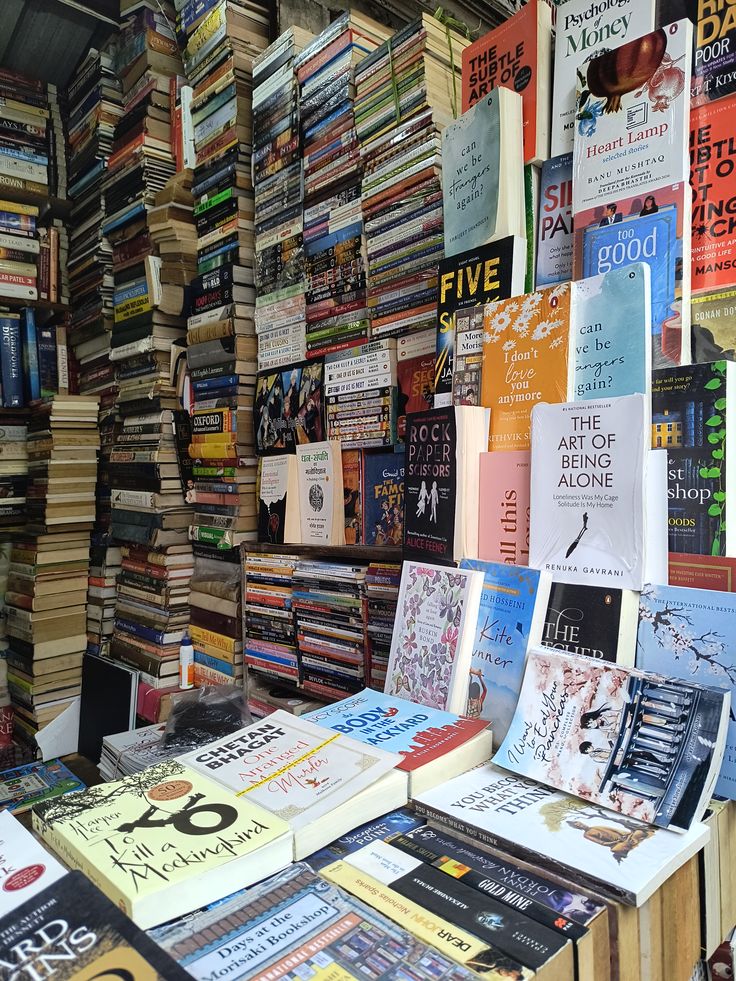
For book lovers, the tourism of Kolkata centers on College Street. It is the world’s largest second-hand book market. Visiting the historic Indian Coffee House here allows you to experience the intellectual “adda” culture that is so vital to the tourism of Kolkata.
In the heart of Kolkata lies a place where stories don’t just live inside books — they spill out onto the streets. College Street, lovingly known as Boi Para (which literally means Book Neighborhood in Bengali), is one of the largest second-hand book markets in the world and a paradise for book lovers.
Stretching for nearly a kilometer, this iconic street is more than just a marketplace — it’s a cultural landmark that reflects Kolkata’s deep connection with literature, education, and intellectual life.
Why It’s Called “Boi Para”
“Boi” means book and “Para” means neighborhood in Bengali — and the name couldn’t be more perfect. College Street is lined with hundreds of small bookstalls, many of them no more than wooden shelves under tarpaulin covers. These shops sell everything you can imagine:
Academic textbooks.
Rare and out-of-print titles.
Competitive exam guides.
Classic literature.
Old magazines and journals.
Affordable second-hand novels.
Bargaining is part of the experience, and it’s possible to find treasures at unbelievably low prices. For many students in Kolkata, College Street has made education more accessible by offering affordable books.
A Treasure Hunt for Readers.
The Legendary Indian Coffee House.
A Cultural and Literary Hub.
Why You Should Visit College Street.
If you love books, history, or culture, College Street is a must-visit destination in Kolkata. It’s a place where learning meets everyday life and where every corner has a story waiting to be discovered.
Whether you’re a serious scholar or just a curious traveler, one walk through Boi Para will leave you with more than books — it will leave you with memories.
Unique and Unknown Facts About Tourism of Kolkata
To make your blog stand out, here are some unique details that many guides miss regarding the tourism of Kolkata:
The World’s Largest Banyan Tree: Located in the Botanical Gardens, this 250-year-old tree covers nearly 4 acres. It looks like a forest, but it’s just one tree! It is a “living” wonder of tourism of Kolkata.
India’s Only Chinatown: Tiretti Bazaar is home to the only authentic Chinatown in India. For the best tourism of Kolkata food experience, visit early in the morning for handmade dumplings.
The Hand-Pulled Rickshaws: Kolkata is the only city in India where you can still find traditional hand-pulled rickshaws, a nostalgic (though controversial) symbol of tourism of Kolkata.
The Mystery of the No-Bolt Bridge: While people know the Howrah Bridge has no bolts, few know that the bridge actually expands by about 5 inches every summer due to the heat!
India’s First Metro: The tourism of Kolkata includes a piece of modern history; it was the first city in India to have an underground metro system, starting way back in 1984.